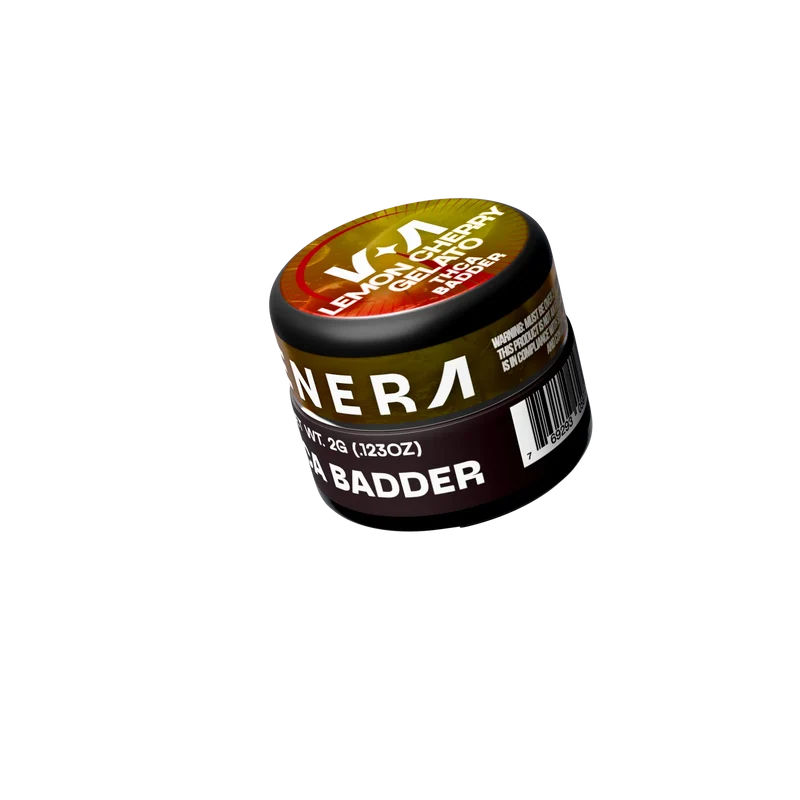

THCA concentrate is a cannabis-derived product that contains a concentrated amount of tetrahydrocannabinolic acid (THCA), a naturally occurring cannabinoid found in cannabis plants. Through different processing methods, plant material can be refined to create products with a higher concentration of specific cannabinoids and other naturally occurring compounds.
Understanding the composition and uses of THCA concentrate can help consumers become more familiar with this type of cannabis product. Its characteristics can vary depending on the starting material, extraction or refinement process, storage conditions, and final product format.
What Is THCA Concentrate?
THCA concentrate is a concentrated cannabis preparation in which THCA makes up a significant portion of the product. THCA is the acidic form of tetrahydrocannabinol (THC) and occurs naturally in raw cannabis plants.
Unlike THC, THCA is present in its acidic form before being exposed to sufficient heat. This distinction is important when understanding the characteristics of different cannabis products.
How THCA Occurs Naturally
Cannabis plants naturally produce cannabinoids in their acidic forms. THCA develops through the plant’s natural cannabinoid production processes and can be found in fresh and properly processed cannabis material.
The amount of THCA can differ between plants and products. Cultivation practices, genetics, harvesting, drying, curing, and processing can all influence the cannabinoid profile.
Why It Is Called a Concentrate
The term “concentrate” refers to the higher concentration of selected cannabis compounds compared with ordinary plant material.
Processing can separate or concentrate particular components of cannabis, resulting in a product with a different composition, texture, and appearance from the original flower.
Composition of THCA Concentrate
The primary component of THCA concentrate is THCA, but the overall composition depends on how the product is produced and refined.
Cannabinoids
Cannabinoids are naturally occurring compounds found in cannabis. THCA concentrate may contain THCA alongside smaller amounts of other cannabinoids.
The cannabinoid profile can vary between products. Laboratory testing can provide more detailed information about the amount and types of cannabinoids present.
Terpenes
Terpenes are aromatic compounds naturally produced by many plants, including cannabis. They contribute to the characteristic aromas and flavours associated with different cannabis varieties.
Some processing methods can preserve certain naturally occurring terpenes, while others may reduce their presence. As a result, the aroma and flavour characteristics of concentrates can differ significantly.
Other Plant Compounds
Depending on the production method, a concentrate may contain varying amounts of other naturally occurring plant compounds. Refinement processes can be designed to remove unwanted plant material while concentrating particular components.
The final composition therefore depends on both the original cannabis material and the processing approach.
How THCA Concentrate Is Produced
Producing a cannabis concentrate involves processing plant material to separate and concentrate selected compounds.
Starting With Cannabis Material
The process begins with cannabis material containing naturally occurring cannabinoids. The quality and composition of this starting material can influence the characteristics of the resulting concentrate.
Factors such as plant genetics, cultivation conditions, harvesting practices, and post-harvest handling can all contribute to the final cannabinoid profile.
Extraction and Refinement
Different production methods can be used to separate desirable compounds from plant material. Some approaches use solvents, while others use mechanical or physical processes.
Following extraction, additional refinement may be used to achieve a particular level of purity, consistency, texture, or cannabinoid concentration.
Testing the Finished Product
Testing can provide information about cannabinoid content and the overall composition of a finished concentrate. Depending on local requirements, testing may also evaluate other quality characteristics.
Consumers can use available laboratory information to better understand what a particular product contains.
Common Forms of THCA Concentrate
THCA concentrate can be presented in different physical forms depending on how it has been processed.
Crystalline Forms
Some THCA concentrates can develop a crystalline appearance because of their high concentration of THCA. These products may have a solid or crystal-like texture.
Their physical characteristics can vary depending on refinement and storage conditions.
Resin-Like Forms
Some concentrates have a thicker or resin-like consistency. Their texture can be influenced by the extraction method, terpene content, temperature, and storage.
Powdered or Fine Forms
Highly refined THCA may also appear as a fine crystalline or powdered material. The appearance depends on the processing technique and the physical characteristics of the final product.
Different forms do not necessarily indicate different cannabinoid profiles, so product information and laboratory testing provide more useful details.
Understanding the Uses of THCA Concentrate
THCA concentrate can have several uses within the broader cannabis product category. The appropriate use depends on the specific product, applicable laws, and the manufacturer’s instructions.
Research and Educational Purposes
THCA concentrates can be useful for studying cannabinoids and understanding how concentrated cannabis compounds differ from raw plant material.
Researchers may examine cannabinoid composition, stability, chemical properties, and changes that occur under different conditions.
Formulation of Cannabis Products
Concentrated cannabis compounds can also be used as ingredients in certain cannabis formulations. Controlled processing can allow manufacturers to create products with specific cannabinoid profiles.
The final product may differ considerably from the original concentrate depending on how it is formulated.
Understanding Cannabinoid Profiles
THCA concentrate can provide an example of how naturally occurring cannabinoids can be separated and concentrated. This makes it useful for understanding the relationship between raw cannabis material and processed cannabis products.
THCA and Heat
One of the most important concepts when discussing THCA concentrate is its response to heat.
What Is Decarboxylation?
Decarboxylation is a chemical process in which an acidic cannabinoid such as THCA changes when exposed to sufficient heat. During this process, THCA can convert into THC.
The extent of this conversion depends on factors such as temperature, duration, and the specific conditions involved.
Why Temperature Matters
Temperature can influence the physical and chemical characteristics of a concentrate. Different temperatures may affect cannabinoids and aromatic compounds in different ways.
For this reason, understanding the properties of THCA is important when discussing products that may be exposed to heat.
Factors That Influence THCA Concentrate Quality
Several factors can influence the characteristics of a THCA concentrate.
Starting Material
The cannabinoid and terpene profile of the original cannabis material provides the foundation for the concentrate.
Processing Method
Extraction and refinement methods can affect purity, texture, aroma, colour, and cannabinoid composition.
Storage Conditions
Heat, light, air, and moisture can influence the condition of concentrated cannabis products. Suitable storage can help maintain their physical characteristics over time.
Packaging
Appropriate packaging can help protect the concentrate from environmental exposure. Packaging may also provide useful information about the product, batch, composition, and storage recommendations.
How to Store THCA Concentrate
Proper storage is an important part of maintaining the condition of a concentrate.
Keep It in a Suitable Container
A clean, properly sealed container can help limit unnecessary exposure to air and moisture. The container should be appropriate for the product and its consistency.
Protect It From Light and Heat
Storing concentrate away from direct sunlight and excessive heat can help maintain its physical and chemical characteristics.
A stable storage environment is generally preferable to locations with significant temperature changes.
Follow Product Instructions
Storage recommendations can vary depending on the specific formulation and packaging. Following the manufacturer’s instructions provides the most appropriate guidance for that product.
Why Product Information Matters
Product information can help consumers understand the characteristics of a THCA concentrate before making decisions about its use.
Important details may include cannabinoid content, batch information, production details, storage instructions, and laboratory testing information where available.
Because concentrates can vary significantly in composition, reviewing the available product information provides a clearer understanding of what the product contains.
Final Thoughts
THCA concentrate is a concentrated cannabis product centred around tetrahydrocannabinolic acid, a naturally occurring acidic cannabinoid. Its composition can include THCA alongside other cannabinoids, terpenes, and naturally occurring plant compounds, depending on the source material and processing method.
Understanding how THCA concentrate is produced, how it can appear in different forms, and how heat affects THCA provides useful background for learning about concentrated cannabis products. Storage, packaging, processing, and laboratory testing can also influence how a particular concentrate is characterised.
By considering these factors, consumers can develop a clearer understanding of THCA concentrate, its composition, and its place within the wider range of cannabis-derived products.