



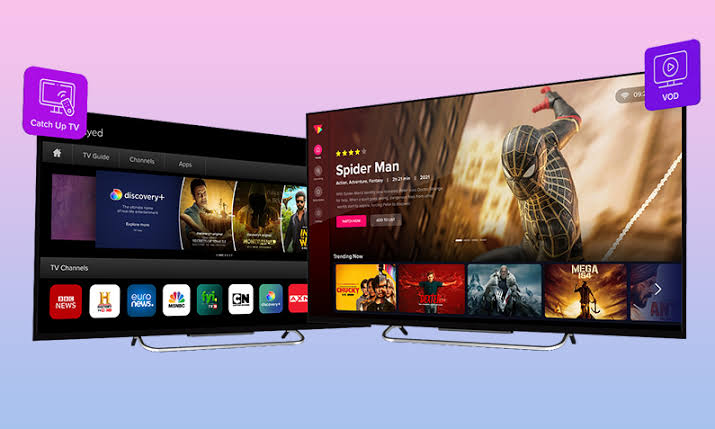
Smart home technology has moved past the novelty stage. Early gadgets often added complexity without adding value, responding slowly and failing at the worst moments. The newest generation is different: faster, more reliable, and designed around open standards that let products from different brands work together. The smart home devices worth buying are not the flashiest ones; they are the ones that quietly remove small frictions from everyday life, lower energy bills, and make a home feel safer and more comfortable.
Smart Lighting and Thermostats: The Proven Winners
Lighting is the easiest place to start. Smart bulbs and switches let you schedule lights, dim them for evenings, and switch everything off from bed. The real savings come from automation: lights that turn off in empty rooms and outdoor lights that follow sunset rather than a fixed clock waste nothing. Choose switches over bulbs for rooms with multiple fittings, since a smart switch keeps working even when someone uses the physical control.
Smart thermostats deliver the clearest financial return of all smart home devices. By learning your routine and heating or cooling only when needed, they can trim energy bills noticeably over a year. Because heating is one of the largest household expenses, this single device often pays for itself, much like choosing the right infrastructure plan does in our guide to choosing web hosting with six easy checks: the sensible option saves money quietly, month after month.
Security and Safety That Actually Help
Video doorbells and smart cameras let you see who is at the door from anywhere, speak to delivery drivers, and keep an eye on the house while travelling. Smart locks remove the spare-key problem entirely, giving guests and cleaners temporary codes instead of physical copies. For safety, connected smoke and carbon monoxide alarms send alerts to your phone, which matters when you are away and a problem would otherwise go unnoticed.
Water leak sensors deserve more attention than they get. Placed under sinks, boilers, and washing machines, they warn you at the first sign of a leak, potentially saving thousands in damage. Privacy deserves a thought with cameras in the home, so read what manufacturers collect and where footage is stored; our explainer on understanding privacy policies before you agree is a useful companion before installing any connected device.
Voice Assistants and Everyday Automation
Voice assistants act as the control centre for many homes: setting timers while cooking, playing music, controlling lights, and announcing reminders. Their greatest value is in routines — a single “good morning” command can raise blinds, start the coffee machine, and read the day’s calendar. Robot vacuums are another automation success, maintaining floors a little every day so deep cleaning becomes rare.
Start small and build around habits rather than buying everything at once. One or two smart home devices that solve a daily annoyance will teach you what you actually want from the system. Even general-interest reading habits, like following a sports biography feature on your phone while the vacuum works, show the real goal of home automation: giving you time back for things you would rather be doing.
The Kitchen and Laundry: Quiet Efficiency
Beyond the headline gadgets, connected appliances are beginning to earn their place. Smart plugs are the cheapest entry point in the entire category: plug one into a fan, a heater, or an old lamp and it gains scheduling, remote control, and energy monitoring instantly. Watching a plug’s consumption report is often how households first discover a wasteful appliance that runs all day for no benefit.
In the kitchen, ovens that preheat on your commute home and fridges that track expiry dates are conveniences rather than necessities, but washing machines that run at off-peak electricity prices and alert you when a cycle finishes solve real annoyances. Dishwashers and laundry appliances that order their own detergent may sound frivolous until a household realises it has stopped running out. The pattern across all smart home devices is the same: the winning products automate a chore completely, not partially. A device that still needs babysitting is a gadget; a device you forget exists until it saves you is an upgrade. Judge every potential purchase by that standard and your home will fill with the second kind.
Standards, Reliability, and Buying Advice
The Matter standard now supported by major brands means devices increasingly work across Apple, Google, Amazon, and Samsung ecosystems, reducing the risk of buying into a dead end. Prefer devices that work locally where possible, so lights still respond if the internet drops, and keep firmware updated for security. A mesh Wi-Fi system is often the unglamorous purchase that makes everything else reliable.
Cost is the final practical question, and the honest answer is that a useful smart home can be built gradually for less than most people expect. A smart thermostat, a handful of smart plugs, and lighting for the two most-used rooms cover the majority of everyday benefits for a modest outlay, especially when bought during sales. Expensive ecosystems become poor value only when devices are bought speculatively, without a specific job in mind, and end up unplugged in a drawer — a fate surveys suggest befalls a surprising share of gadgets. Keep a simple list of the annoyances you want solved, buy against that list one item at a time, and stop when the house feels easy rather than impressive. Technology that serves the household quietly is the goal.
Buy smart home devices one problem at a time, favour established brands for anything involving locks, alarms, or heating, and treat energy savings claims realistically. Built gradually around your routine, a smart home stops feeling like a collection of gadgets and starts feeling like a house that simply looks after itself — which was the promise all along. A year from now, the devices you chose carefully will have faded into the background of daily life, noticed only on the rare day they are missing — and that invisibility is the surest sign you bought well. Choose slowly, and the technology will reward you daily.


