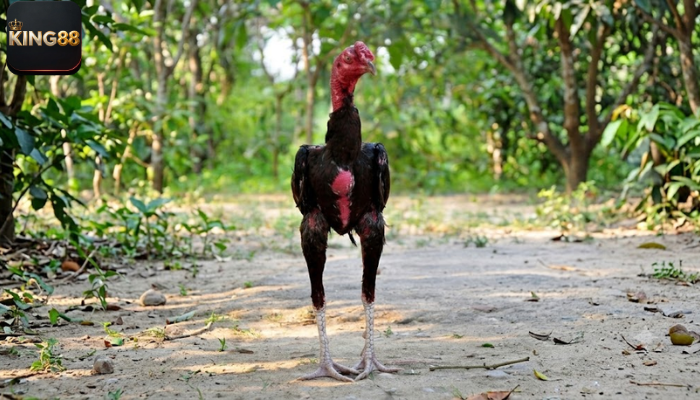

Achieving a superior success rate in traditional competitions requires a deep understanding of king88 and the specific physical markers that define a winner. When you begin to practice xem tướng gà chọi, you are essentially learning a visual language that communicates the internal strength and endurance of the bird through its external features. This ancient practice focuses on the harmony between the head, legs, and plumage to determine which individuals possess the natural instinct for dominance.
Notably, an expert first looks for the “spirit” reflected in the eyes and skull structure. A champion must display a sharp, focused gaze that does not flinch under pressure, combined with a broad forehead suggesting intelligence. Beyond that, neck thickness and beak alignment play vital roles in how the bird maintains posture during long engagements.
Analyzing the Structural Integrity of the Legs and Scales
One thing very few pay attention to is the arrangement of scales on the lower limbs, which dictates speed and precision. For those who study xem tướng gà chọi, the legs are the foundation of power, requiring a dry, firm texture rather than a fleshy appearance. Scales should be tight and orderly; any irregularity might suggest weakness in the bone structure or a lack of explosive force.
The color of the legs should ideally match the beak to indicate a pure lineage and balanced energy. Practitioners often look for specific scale patterns, such as the “Internal Flower” or “Double Row,” associated with legendary performers. Successful breeders spend hours examining these minute details before deciding which birds are worthy of intensive training and investment.
Look for a deep, “dry” scale texture indicating high calcium density.
Ensure toes are long and flexible, providing a wide base for balance.
Check for “hidden” scales that might signify unique traits.
Avoid birds with swollen joints or uneven scale growth.
The strength of the thighs is also crucial; they should be muscular and broader than the lower leg. This creates a “spring” effect, allowing for rapid vertical movement and agility. By focusing on these structural elements, you can filter out average specimens and focus resources on those with the highest physical ceiling.
The Role of Plumage and Wing Span in Endurance
For those prioritizing stamina, feather quality is a non-negotiable factor. While beginners focus solely on legs, experienced practitioners of xem tướng gà chọi know wings act as the primary balancing mechanism and cooling source. Feathers should be thick, oily, and overlap like shingles to provide maximum protection and aerodynamic efficiency.
Primary flight feathers should reach the tail base, ensuring the bird maintains height during maneuvers. Brittle or dull feathers often reflect poor nutrition or lack of vitality. Additionally, the “wing pit” should be deep and well-covered, as this area is crucial for regulating body temperature during high-intensity moments.
One thing few notice is the sound wings make when flapping; a sharp, snapping sound indicates strong muscle fiber. The tail should be bundled tightly, acting as a rudder for quick pivots. For those wanting a champion that lasts until the final whistle, these aerodynamic details are just as important as raw physical power.
Facial Features and the Psychological Profile of a Winner
A significant portion of assessment involves reading the face to understand temperament. In the practice of xem tướng gà chọi, a small, sleek head is preferred over a large one because it presents a smaller target and suggests speed. The beak should be short and curved like a hook, providing a powerful grip essential for controlling the pace of interaction.
Ear coverage and comb size also matter; a smaller, tighter comb is less likely to be damaged and does not obstruct vision. Face skin should be a deep, healthy red, indicating excellent circulation. The way a bird reacts to its environment—whether staying calm or becoming agitated—provides a glimpse into its psychological stability.
A sharp, “eagle-like” eye shape suggests predatory instincts.
The beak should close tightly without any gaps or misalignments.
Skin texture on the head should be thick and wrinkled.
Wide nostrils allow for maximum airflow during exertion.
The connection between the head and neck must be seamless, with thick muscles protecting the spine. A short, powerful neck allows for better leverage compared to a thin one. Combining these facial observations with structural analysis creates a comprehensive profile that minimizes risks associated with unpredictable behavior.
Optimized Training Regimens Based on Physical Morphology
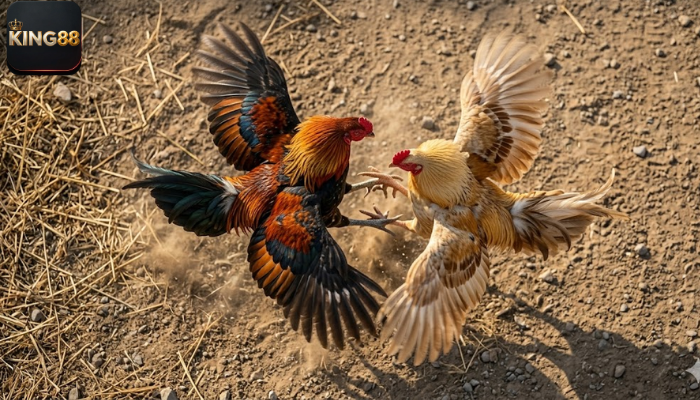
Once you identify a bird with the right markers, tailor its development to match its natural strengths. For birds with heavy leg scaling and thick thighs, focus on building explosive power through high-intensity drills. Conversely, birds with lighter frames and superior wing structure benefit more from endurance-based exercises emphasizing movement and agility.
Diet must be adjusted to support the bird’s “tướng” or physical type. Birds with heavy muscle mass require higher protein, while those built for speed need balanced complex carbohydrates. One thing very few pay attention to is the recovery phase; without proper rest, even gifted birds suffer from burnout and lose their competitive edge.
The environment should mimic competition conditions, including exposure to different temperatures and noise levels. For professionals, every aspect of the bird’s life—from perch height to bath frequency—is calculated to enhance the natural advantages identified during the initial physical assessment.
Enhancing Longevity Through Proper Care and Maintenance
Maintaining elite status requires a commitment to long-term health. A bird’s value lies in its ability to remain consistent over multiple seasons, which means protecting the features identified during selection. Regular checks of scales, feathers, and beak are necessary to catch signs of wear or infection before they become permanent issues, complementing the observations made when practicing xem tướng gà chọi.
Maintenance also involves traditional herbal washes and massages to toughen skin and improve circulation. These practices reflect the understanding that external condition mirrors internal health. For those who invest heavily, these daily rituals are the difference between a one-hit wonder and a long-standing legend.
Notably, the relationship between handler and bird is a factor in maintaining peak condition. A bird that trusts its handler remains calmer during transport, preserving energy. By respecting natural traits and providing necessary support, you ensure the physical potential identified through your assessment is fully realized.
Conclusion
The process of xem tướng gà chọi is about finding the perfect balance between nature and nurture. While the physical markers provide the roadmap, it is the dedication of the owner that determines whether the bird reaches its destination. By following these time-tested principles of assessment and care, you position yourself at the forefront of the community, ready to identify and develop the next generation of elite champions. Analyze these traits today and begin refining your selection skills. Enter the arena now.