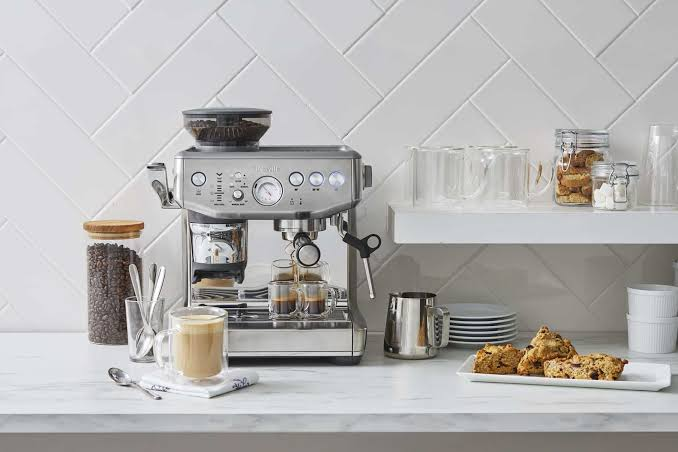

Creating a home coffee bar has become a popular hobby among people who enjoy experimenting with brewing methods and drink recipes. Instead of visiting cafés every day, coffee enthusiasts can prepare espresso, cappuccino, latte, and cold brew in their own kitchens. However, making these drinks requires different equipment, and purchasing expensive machines does not automatically guarantee better results. Understanding the relationship between brewing methods, grinders, milk preparation, and water quality helps beginners build a practical setup.
Home entertainment includes activities ranging from cooking and beverage preparation to digital games. People exploring online leisure may read more about chance-based casino entertainment involving financial risks. Coffee preparation offers a different experience because results depend on measurable variables, including grind size, temperature, brewing time, and ingredient ratios. These variables allow enthusiasts to develop skills through practice rather than relying on chance.
Understanding the Basics of Coffee Brewing
Every brewing method involves extracting soluble compounds from ground coffee using water.
The final flavor depends on grind size, coffee-to-water ratio, temperature, contact time, and bean characteristics.
Espresso uses pressure to produce concentrated coffee, while filter brewing relies primarily on gravity.
Immersion methods keep grounds in contact with water before separation.
Understanding these differences helps beginners choose equipment according to preferred drinks instead of purchasing unnecessary accessories.
Choosing a Coffee Machine for Home Use
An espresso machine is useful for preparing concentrated coffee and milk-based drinks.
Manual and semi-automatic models allow users to control parts of the brewing process, while automatic machines simplify preparation.
Machines with steam wands can heat and texture milk for cappuccinos and lattes.
However, beginners interested primarily in filter coffee may not need an espresso machine.
A brewing device that matches daily habits usually provides better value than equipment with features that remain unused.
Why a Coffee Grinder Matters
A grinder influences extraction consistency because different brewing methods require different particle sizes.
Espresso generally requires a fine grind, while immersion brewing uses coarser particles.
Burr grinders typically provide more consistent results than blade grinders, which produce particles of varying sizes.
Consistency helps control extraction and reduce unwanted bitterness or sourness.
For people purchasing whole beans, a suitable grinder is often one of the most useful investments.
Equipment for Making Espresso
Preparing espresso generally requires an espresso machine, a grinder, and a suitable portafilter.
Additional accessories may include a tamper, dosing scale, and cleaning tools.
A common starting recipe uses approximately 18 grams of ground coffee to produce 36 grams of espresso.
However, the ideal ratio depends on the beans and desired flavor.
Measuring the beverage by weight provides more consistency than relying exclusively on extraction time or visual appearance.
How to Prepare Cappuccino and Latte
Cappuccino and latte combine espresso with steamed milk, but their proportions and textures differ.
Cappuccino typically contains more foam relative to its size, while latte has a larger milk volume and thinner foam layer.
A steam wand allows users to introduce air and create microfoam.
Beginners without an espresso machine can use concentrated coffee and a separate milk frother.
Although the result differs from café espresso drinks, it provides an accessible alternative.
Making Americano and Long Black Coffee
Americano consists of espresso diluted with hot water.
A long black is commonly prepared by adding espresso to hot water, helping preserve some surface crema.
Both drinks require espresso equipment but no milk preparation tools.
The amount of water determines beverage strength and concentration.
These options suit people who enjoy the characteristics of espresso but prefer a larger drink.
Experimenting with dilution ratios can help identify a preferred balance.
Filter Coffee Equipment for Beginners
Pour-over brewing requires a dripper, filter papers, kettle, and suitable container.
A scale improves consistency by allowing users to measure coffee and water.
A gooseneck kettle provides control over pouring, although it is not essential for every beginner.
Filter brewing often emphasizes clarity and differences between coffee origins.
People who prefer larger servings without milk may find this setup more practical than an espresso machine.
French Press and Immersion Brewing
A French press offers an equipment-light approach to coffee preparation.
Ground coffee is combined with hot water and separated using a mesh plunger.
The method does not require electricity or paper filters.
Because oils and fine particles can remain in the beverage, the texture differs from paper-filtered coffee.
Beginners can adjust brewing time and grind size to influence extraction.
Regular cleaning prevents residue from affecting subsequent servings.
Cold Brew and Iced Coffee
Cold brew is prepared by steeping ground coffee in cool water, often for 12–18 hours.
It requires a container, a filtering method, and refrigeration.
Iced coffee, by contrast, may involve brewing coffee with hot water before cooling it over ice.
These methods produce different flavor profiles and preparation requirements.
Cold brew can be made without specialized machines, making it suitable for beginners interested in chilled coffee drinks.
Additional Accessories Worth Considering
A digital scale supports repeatable brewing ratios across different methods.
An accurate thermometer can help monitor water temperature when the kettle lacks temperature control.
A milk pitcher is useful for steaming and pouring textured milk.
Cleaning brushes and suitable detergents help maintain equipment.
However, decorative tools and specialized accessories are optional.
Beginners should prioritize equipment that improves consistency rather than collecting items with limited practical value.
How to Build a Home Coffee Bar on a Budget
Start by identifying the drinks you prepare most frequently.
For filter coffee, a grinder, dripper, kettle, and scale may be sufficient.
Milk-based espresso drinks generally require a larger equipment investment.
Consider maintenance costs, replacement filters, electricity, and coffee consumption before purchasing machines.
Buying equipment gradually allows beginners to understand which features are genuinely useful.
Creating a Coffee Routine That Works
A home coffee bar does not need to resemble a professional café.
Its purpose is to support enjoyable preparation and consistent results.
Start with one brewing method, learn the variables affecting extraction, and expand only when your preferences change.
With suitable equipment and regular practice, home brewing can become both a practical routine and a hobby involving experimentation, sensory evaluation, and skill development.